Tag: politics

  • Sacred Ground

    Sacred Ground

    Download 720p version:

    https://drive.proton.me/urls/2JE2MBJ56C#MzQSfZEXMZtl

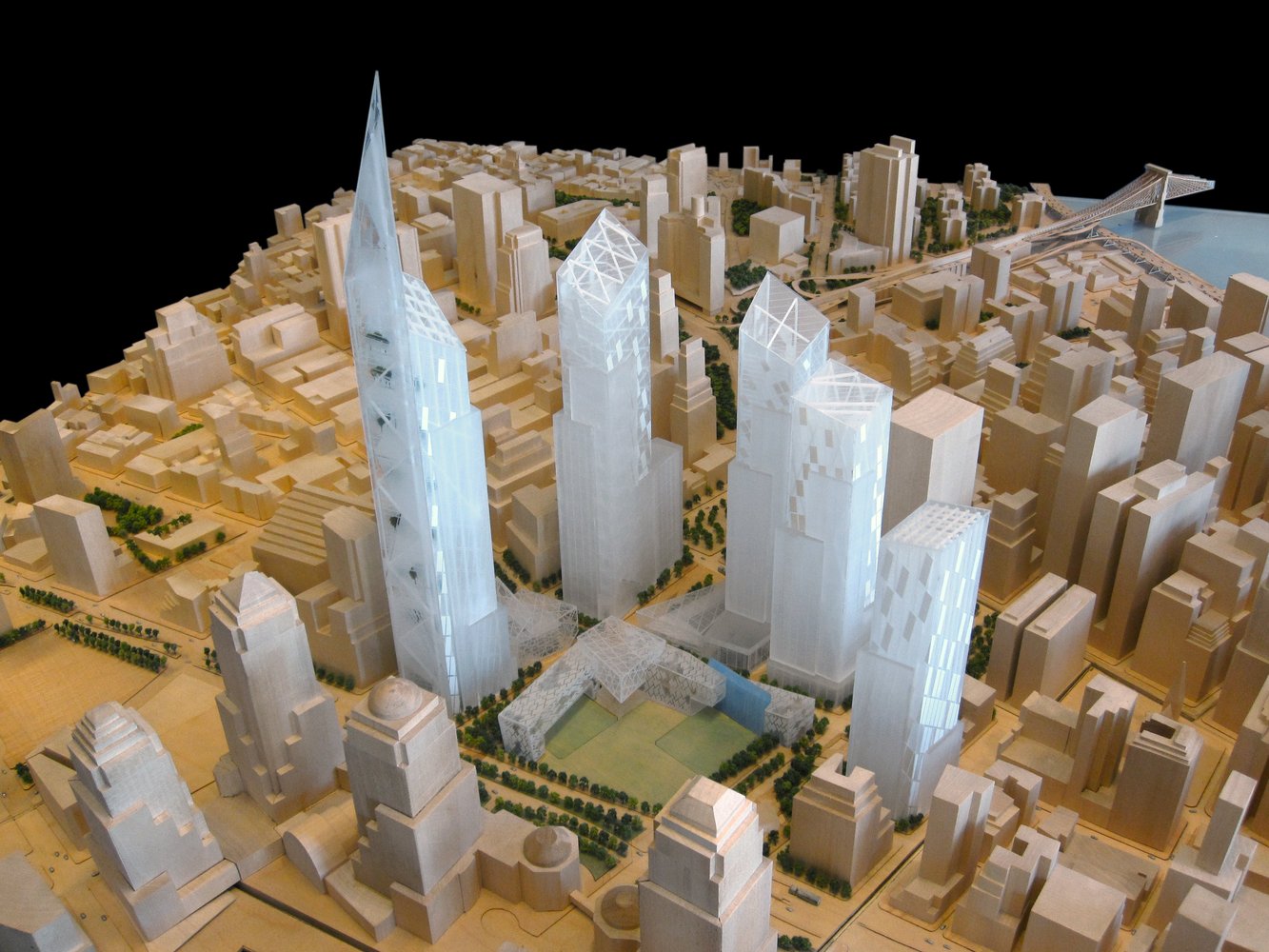
    Within days of the Sept. 11 attacks, the questions began: What should be built on the site of Ground Zero? Who should build it? And should anything be built there at all?

    In “Sacred Ground,” FRONTLINE tells the inside story of the first stormy year in the struggle to design the Freedom Tower, the signature skyscraper to rise on the site where the World Trade Center once stood. The central battle involves relative newcomer Daniel Libeskind — who, in February 2003, won a competition to design the site’s master plan after the original six designs for the site were overwhelmingly rejected by the public — and David Childs, the architect handpicked by the site’s developer, Larry Silverstein, to actually build the tower.

    https://www.pbs.org/wgbh/pages/frontline/shows/sacred

    screenshot of the frontline microsite made for the sacred ground episode. picture of men looking at an architectural model. text arranged around it
  • Anthropic Is Building a Predictive Surveillance System to Monitor Activists

    Daniel Boguslaw · The American Prospect

    As Anthropic ramps up its efforts to monitor dissent with in-house intelligence teams and real-time protest tracking powered by AI, it will have to contend with the increasing economic desperation that plagues human beings outside its Bay Area towers. Last week, the security guards who patrol the campuses of OpenAI and Anthropic announced that they had authorized a strike over stalled pay negotiations. In response, Anthropic sent a company-wide email telling employees that it was best if they worked from home.

  • Leaders of China, Russia and India are among heads of state meeting to counter US influence

    Yuras Karmanau · AP

    Strange how the Shanghai Cooperation Organization summit is almost not covered at all.

    It now includes 10 nations: Russia, China, India, Iran, Pakistan, Belarus, Kazakhstan, Kyrgyzstan, Tajikistan and Uzbekistan.

    · · ·

    Along with Russia, China has presented the SCO as an alternative to Western-aligned organizations like the G7, and in recent years has wanted to expand the scope and influence of the organization.

  • TMK: Do Not Become Addicted to Electrons (ft. Tim Sahay, Kate Mackenzie)

    This Machine Kills

    We chat with Tim Sahay and Kate Mackenzie — authors of the indispensable newsletter The Polycrisis and hosts of the new podcast Electric World Order
    · · ·
    We lay out what an energy transition under conditions of polycrisis actually entails: things don’t just smoothly change while staying the same, instead it’s more like a material shift in the centre of political, economic, energetic power: from the petrostate (e.g. USA) to the electrostate (e.g. China).

  • The pessimist who became a prophet

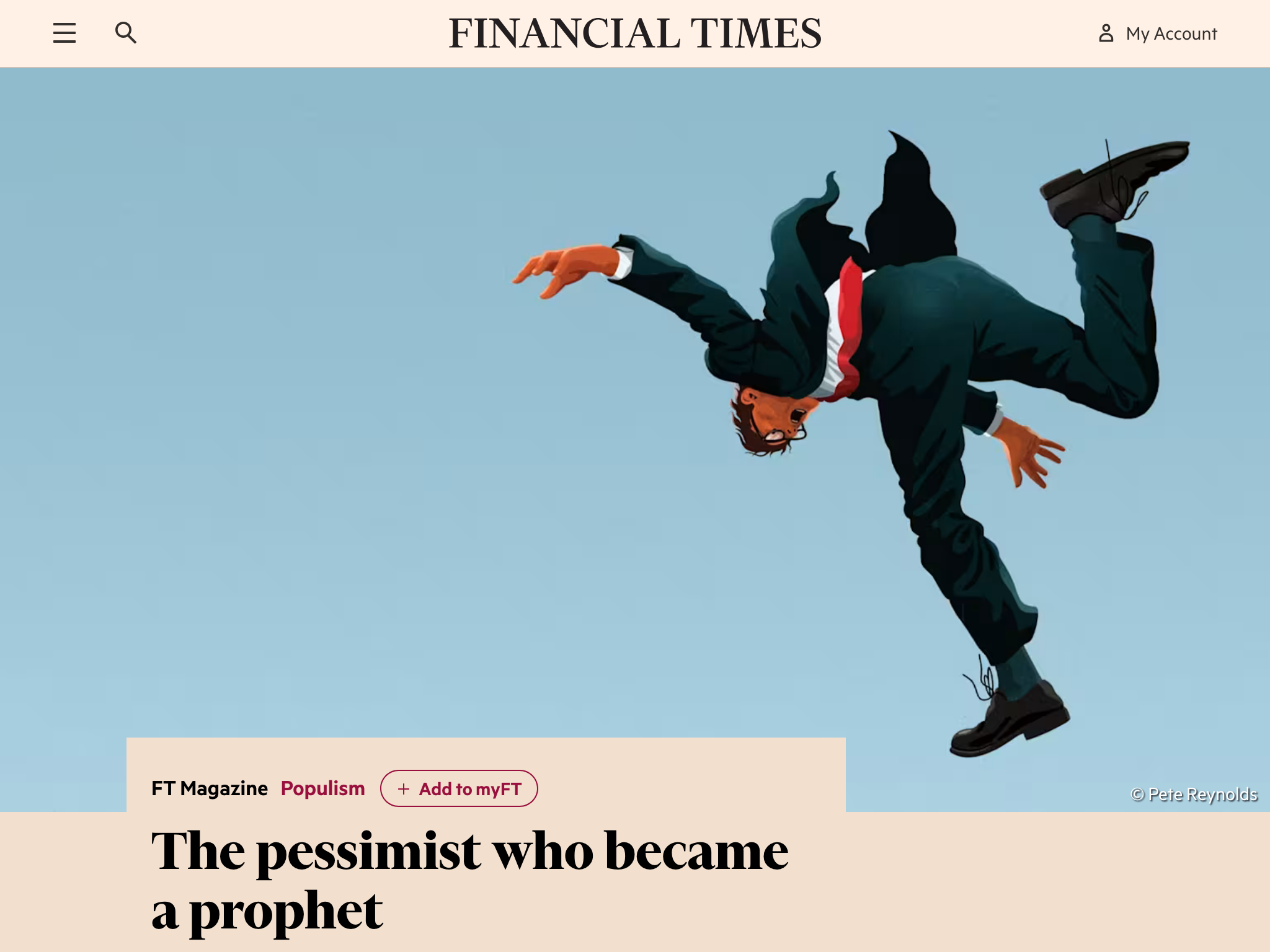
    The pessimist who became a prophet

    Martin Sandbu · FT Magazine

    Michael Sandel was ignored by a generation of political optimists. Now he is searching for a way out of the mess he saw coming

    “One way of seeing how a toleration of avoidance leads to conflict is that when we give up on engaging with moral disagreements . . . we create a moral void at the heart of public discourse.” That, in his view, has been the cost of the politics we have seen since the 1990s. “Democratic citizens can’t abide for long a public discourse empty of larger moral meaning.” Sooner or later that void would have to be filled by “narrow, intolerant, dangerous moralisms of two kinds: religious fundamentalism or hypernationalism. And that’s exactly what we’ve seen.”

    FT Gift Link

  • At the root of all our problems stands one travesty: politicians’ surrender to the super-rich

    George Monbiot · The Guardian

    There are many excuses for failing to tax the ultra-wealthy. The truth is that governments don’t tackle the problem because they don’t want to

  • Joshua Citarella — A Multipolar Artworld, Friday January 16

    Rhizome · Zoom

    Citarella will give a presentation on his recent text A Multipolar Art World?, in which he argues that the era of globalization underpinning contemporary art as we know it is ending, giving way to a location-specific, multipolar art world. 

    2026-01-16 2PM – 3PM EST
    Online via Zoom
    https://luma.com/aw_Joshua_Citarella